


ph646 | Exploring the World of Simulation Games: A Deep Dive into Immersive Experiences
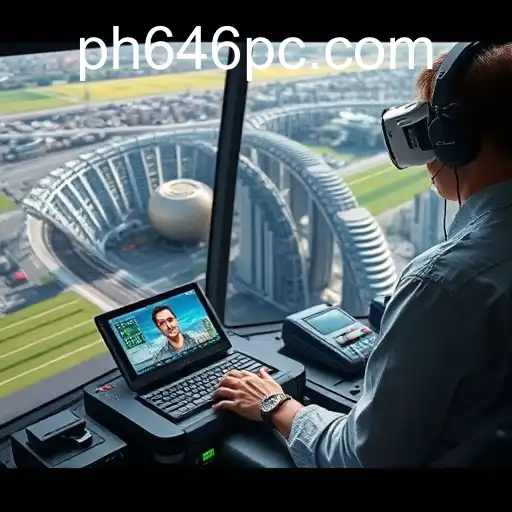
Simulation games have become a cornerstone of the gaming industry, captivating players worldwide with their ability to mimic real-life activities and scenarios. These games, categorized under the keyword "ph646" on various gaming websites, encompass a broad spectrum of experiences, ranging from everyday life simulations to complex industrial emulations.
One of the defining characteristics of simulation games is their focus on realism and detail, offering players a chance to immerse themselves in meticulously crafted worlds. The genre has grown exponentially over the years, with titles like "The Sims," "Flight Simulator," and "Farming Simulator" leading the charge. Each of these games provides a unique experience, from managing a household to piloting an aircraft, offering both entertainment and educational value.
Simulation games have a diverse appeal, attracting both casual gamers and those seeking more serious engagements. The intricate nature of these games often requires players to develop strategies, manage resources, and make critical decisions, thereby enhancing their problem-solving skills. For instance, city-building simulations like "SimCity" necessitate players to balance budgets, plan urban layouts, and respond to unforeseen challenges, reflecting the complexities of urban management.
Moreover, the educational potential of simulation games cannot be overstated. Flight simulators are used for pilot training, while medical simulations offer invaluable practice to aspiring healthcare professionals. Such applications demonstrate the practical benefits of simulation technology beyond mere entertainment.
The accessibility of simulation games has also increased significantly with advancements in technology. Virtual reality (VR) and augmented reality (AR) have added new dimensions to the genre, creating even more immersive and lifelike environments for players to explore. These innovations promise to redefine how gamers interact with virtual worlds, further blurring the line between reality and simulation.
In conclusion, simulation games continue to evolve, offering players unparalleled depth and realism. As technology progresses, the possibilities for this genre are limitless, promising to deliver even more engaging and educational experiences in the years to come. For those seeking an immersive escape from reality or a tool for learning and development, simulation games remain a pivotal force in the digital entertainment landscape.
